How do you fix an old wooden fence?
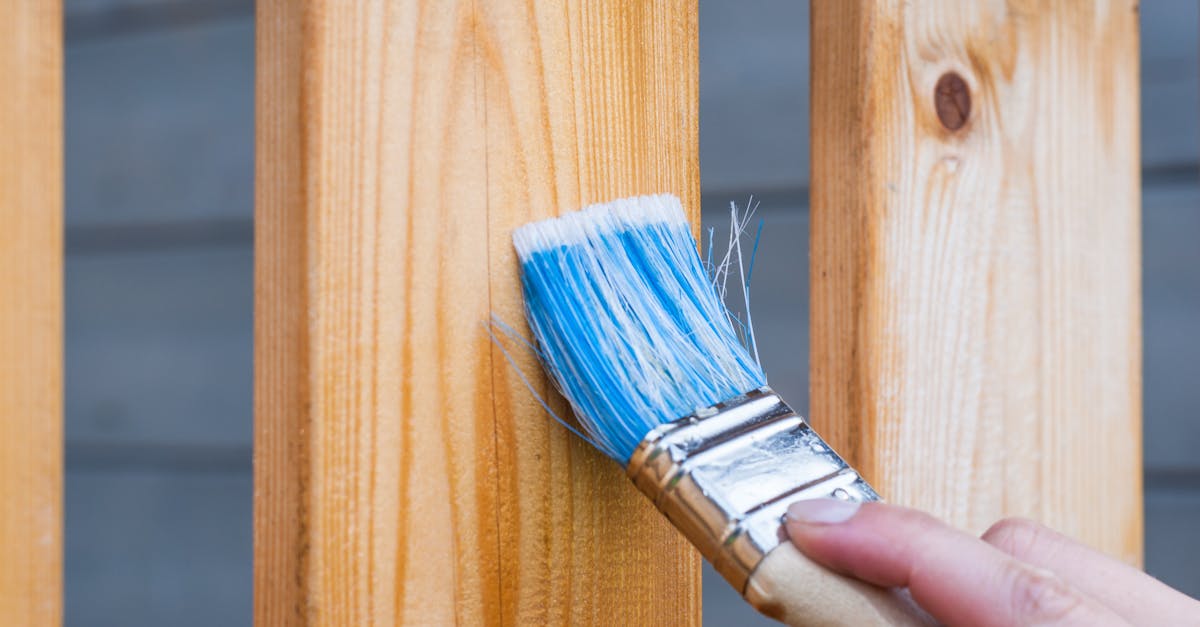
Table Of Contents
Treat the wood for protection
To ensure the longevity of an old wooden fence, treating the wood is crucial. Fence repair experts recommend starting this process by thoroughly cleaning the surface of the fence. Use a mix of water and mild detergent to scrub away dirt, mold, and any other debris that may have accumulated over time. Once the surface is clean and dry, sanding the wood can help smooth out any rough spots and create a clean surface for treatment.
After the wood has been cleaned and sanded, the next step in the fence repair process is to apply a protective treatment. Wood treatments or sealants are specifically designed to shield the wood from weather damage and pests, ultimately extending the life of the fence. Ensure to choose a treatment that is suitable for outdoor wooden structures and follow the manufacturer's instructions for application. By taking the time to treat the wood properly, you can significantly enhance the durability and resilience of your old wooden fence.
Apply a wood treatment or sealant to prevent future damage from weather and pests
To protect the restored wooden fence from potential damage caused by weather elements and pests, it is crucial to apply a suitable wood treatment or sealant. This step is essential in extending the lifespan of the fence and maintaining its structural integrity. By sealing the wood, you create a barrier that shields it from moisture, UV rays, rot, and pest infestations.
After completing the necessary Fence repair work, selecting the right wood treatment or sealant is paramount. Prioritize products designed specifically for outdoor wooden structures to ensure optimal protection. Applying the treatment as per the manufacturer's instructions will aid in fortifying the fence against the harsh Australian climate and enhance its durability in the long run.
Enhance the appearance with a fresh coat of paint or stain
Enhance the appearance of your old wooden fence by applying a fresh coat of paint or stain. Choose a colour that complements the natural surroundings for a seamlessly integrated look that enhances your outdoor space. Whether you opt for a classic white to brighten up the yard or a deep stain to add a touch of elegance, a new coat of paint or stain can breathe new life into your fence while offering protection against the elements.
To ensure a professional finish, apply the paint or stain evenly across the entire fence. Take your time to coat each section thoroughly, paying extra attention to ensure no spots are missed. A well-executed paint job not only improves the aesthetic appeal but also protects the wood from moisture and decay, prolonging the life of your fence. Fence repair can be a rewarding project that not only restores the structure but also adds a fresh and vibrant look to your outdoor space.
Choose a suitable colour that complements the surroundings and apply evenly for a professional finish
When it comes to fence repair, selecting a suitable colour that blends seamlessly with its surroundings is crucial for a polished final look. The right hue can not only enhance the aesthetics of your property but also provide a sense of harmony within the environment. Before diving into the painting process, take a moment to consider the existing elements around the fence such as the landscaping, exterior of buildings, and outdoor decor. By choosing a paint or stain colour that complements these aspects, you can achieve a cohesive appearance that elevates the overall appeal of your outdoor space. Once you have settled on a colour, ensure to apply it evenly for a professional finish. Uneven application can detract from the fence's visual appeal and durability, so take your time to coat the wood thoroughly and uniformly.
To achieve a professional finish during the fence repair process, it is recommended to apply the chosen colour evenly across all sections of the wooden surface. This uniform application not only guarantees a consistent appearance but also contributes to the longevity of the paint or stain. Begin by preparing the wood surface adequately, ensuring it is clean and dry before commencing the painting process. Using a suitable brush or roller, apply the paint or stain in smooth, overlapping strokes to ensure an even coverage. Pay close attention to details, such as corners and edges, to maintain a neat and polished look. By devoting attention to each step of the painting process and maintaining consistency in colour application, you can achieve a professional finish that enhances the overall aesthetic of your fence.
Inspect the entire fence for any remaining issues
When inspecting the entire fence for any remaining issues, it is important to conduct a thorough examination to ensure all areas are properly assessed. Begin by walking along the fence line, checking for any signs of damage or wear that may have been overlooked during initial inspections. Look for loose or broken boards, rotting sections, or areas where pests may have caused damage. Address any weak spots or structural concerns promptly to prevent further deterioration.
Fence repair necessitates a keen eye for detail. Pay close attention to the posts, joints, and connections to make sure they are secure and functioning as intended. Look for signs of rust on hinges or latches, inspect the gates for proper alignment and operation, and assess the overall stability of the fence. By thoroughly examining every aspect of the fence, you can identify and address any remaining issues to ensure a sturdy and functional structure for years to come.
Walk along the fence line to identify any overlooked damage or areas in need of improvement
Walk along the fence line to identify any overlooked damage or areas in need of improvement. This step is crucial in thoroughly assessing the condition of the fence. Make sure to inspect each section carefully, checking for loose boards, rotting wood, or signs of pest infestation. Fence repair requires attention to detail to ensure that all issues are addressed and resolved effectively.
By systematically walking along the perimeter of the fence, you can pinpoint areas that may have been missed during initial inspection. Look out for signs of wear and tear, such as peeling paint or loose nails, which could indicate underlying problems. Taking the time to identify these overlooked issues will enable you to tackle them before they escalate, ensuring that your wooden fence is not only aesthetically pleasing but also structurally sound.
FAQS
What is the first step in fixing an old wooden fence?
The first step is to treat the wood for protection to ensure its longevity.
How can I prevent future damage to my wooden fence?
You can prevent future damage by applying a wood treatment or sealant to protect it from weather and pests.
How can I improve the appearance of my old wooden fence?
You can enhance the appearance by giving it a fresh coat of paint or stain.
What should I consider when choosing a colour for my wooden fence?
When choosing a colour, make sure it complements the surroundings and apply it evenly for a professional finish.
How can I ensure that my wooden fence is in good condition after fixing it?
Inspect the entire fence for any remaining issues by walking along the fence line to identify any overlooked damage or areas in need of improvement.
Related Links
Fence repairCan you repair a wooden fence post?
How do you repair a hole in a wood fence?