What is the best stain to use on a fence?
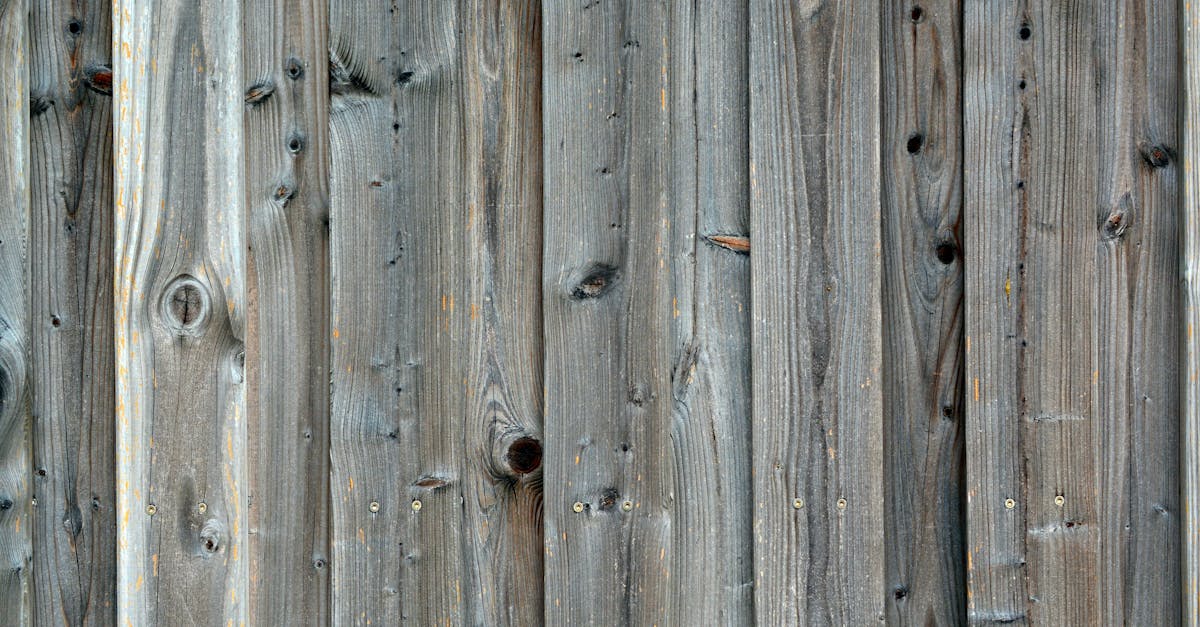
Table Of Contents
Maintaining and reapplying fence stain
Maintaining and reapplying fence stain is crucial to ensure your fence stays protected and looking its best. Regular maintenance, including cleaning the surface and checking for any signs of wear or damage, is essential before reapplying the stain. Fence panel staining should be done every few years, or as recommended by the stain manufacturer, to keep your fence looking fresh and well-maintained.
When reapplying the stain, make sure to choose a day when the weather is dry and mild to allow the stain to properly adhere to the wood. Applying the stain with a brush or roller can help ensure even coverage and a smooth finish. Pay close attention to any areas that may be more exposed to the elements, such as the top of the fence panels, as they may require more frequent staining to maintain their protection. Regular maintenance and reapplication of fence stain will not only enhance the appearance of your fence but also help prolong its lifespan.
Signs that indicate it’s time to restain your fence
If your fence has lost its once vibrant colour and now appears dull and weathered, it might be time for a fresh coat of stain. When you notice the wood starting to look dry and grey rather than the rich tone it once had, this is a clear sign that your fence needs attention. Fence panel staining is essential to maintain both the aesthetic appeal and structural integrity of your fencing.
Another indicator that it's time to restain your fence is when water no longer beads up on the surface, but rather absorbs into the wood. This can lead to moisture penetration, which may cause rotting or warping of the wood over time. Regularly inspecting your fence for these signs and addressing them promptly with a new coat of stain can help prolong the life of your fence and keep it looking its best.
Differences between transparent, semitransparent, and solid fence stains
When it comes to fence panel staining, homeowners often have various options to choose from, including transparent, semi-transparent, and solid fence stains. Transparent stains are ideal for those who want to enhance the natural beauty of the wood while providing protection. These stains allow the wood grain to show through, giving the fence a more rustic and organic look.
Semi-transparent stains offer a balance between colour and wood grain visibility. They provide moderate UV protection and help to seal the wood against moisture. Solid stains, on the other hand, offer the most protection as they form a protective film over the wood. While solid stains come in a wide range of colours and can completely change the look of the fence, they do tend to hide the natural grain of the wood.
Which type of stain is best for your fence?
When it comes to choosing the best type of stain for your fence, it ultimately depends on the desired look and level of protection needed. Transparent stains allow the natural beauty of the wood to shine through, making them ideal for fences with a lot of intricate woodwork. Semi-transparent stains provide a compromise between transparency and solid coverage, offering some level of colour while still showing the wood grain. On the other hand, solid stains are full coverage, perfect for fences in need of substantial protection from the elements.
Fence panel staining is a process that not only enhances the visual appeal of your fence but also extends its lifespan. Consider the level of maintenance you are willing to commit to, as different types of stains require varying degrees of upkeep. Transparent stains may need reapplication more frequently since they offer minimal protection, while solid stains can last longer between touch-ups due to their robust pigment. Additionally, take into account the climate in your area and the amount of sun exposure your fence receives, as these factors can impact the durability of the chosen stain.
Enhancing the look of your fence with tinted stains
Enhancing the aesthetic appeal of your fence can be achieved through fence panel staining. Tinted stains offer a versatile way to add colour and character to your outdoor space. By choosing the right tinted stain, you can complement the overall look of your property while providing an added layer of protection to the fence.
Whether you opt for a subtle hue to blend with the natural surroundings or a bold colour to make a statement, tinted stains can transform the appearance of your fence. From earthy tones that evoke a sense of warmth to contemporary shades that lend a modern touch, the choice of colours is vast. Consider the existing elements in your outdoor area and select a tinted stain that harmonises with the overall style to create a cohesive and visually appealing look.
Popular fence stain colours and trends
Popular fence stain colours and trends are constantly evolving, reflecting the changing preferences of homeowners and design trends. Neutral tones such as warm browns and classic greys continue to be popular choices for fence panel staining, providing a timeless and sophisticated look to outdoor spaces. These colours seamlessly blend with various landscapes and architectural styles, enhancing the overall aesthetic appeal of the property.
In addition to neutral tones, darker shades like deep charcoal and rich ebony are gaining popularity in fence staining. These bold hues offer a striking contrast to greenery and landscaping features, creating a dramatic focal point in outdoor areas. Furthermore, incorporating subtle hints of blue or green undertones in fence stains can add a touch of modernity and uniqueness to the overall look, making a bold statement while still harmonising with the natural surroundings.
FAQS
What factors should I consider when choosing a stain for my fence?
Factors to consider when choosing a stain for your fence include the type of wood, desired level of protection, preferred color, and the amount of maintenance you are willing to undertake.
How often should I reapply stain to my fence?
The frequency of reapplying stain to your fence depends on the type of stain used, the weather conditions in your area, and the amount of foot traffic or exposure to elements the fence receives. As a general rule of thumb, most fences require re-staining every 2-3 years.
What are the differences between transparent, semi-transparent, and solid fence stains?
Transparent stains allow the natural grain of the wood to show through, semi-transparent stains provide some color while still showing the wood grain, and solid stains offer the most color and protection as they completely cover the wood.
Which type of stain is best for my fence - transparent, semi-transparent, or solid?
The best type of stain for your fence depends on your personal preference for the level of wood grain visibility, the desired color intensity, and the level of protection needed. Transparent stains are ideal for showcasing the natural beauty of the wood, while solid stains offer the most protection and color coverage.
How can I enhance the look of my fence with tinted stains?
Tinted stains can enhance the look of your fence by adding a pop of color that complements your outdoor space. Popular fence stain colors and trends include earth tones like browns and grays, as well as bold shades like blues and greens to make a statement.
Related Links
Fence panel stainingShould you stain fence panels?
Do I need to sand a fence before staining?