What's the best way to paint fence panels?
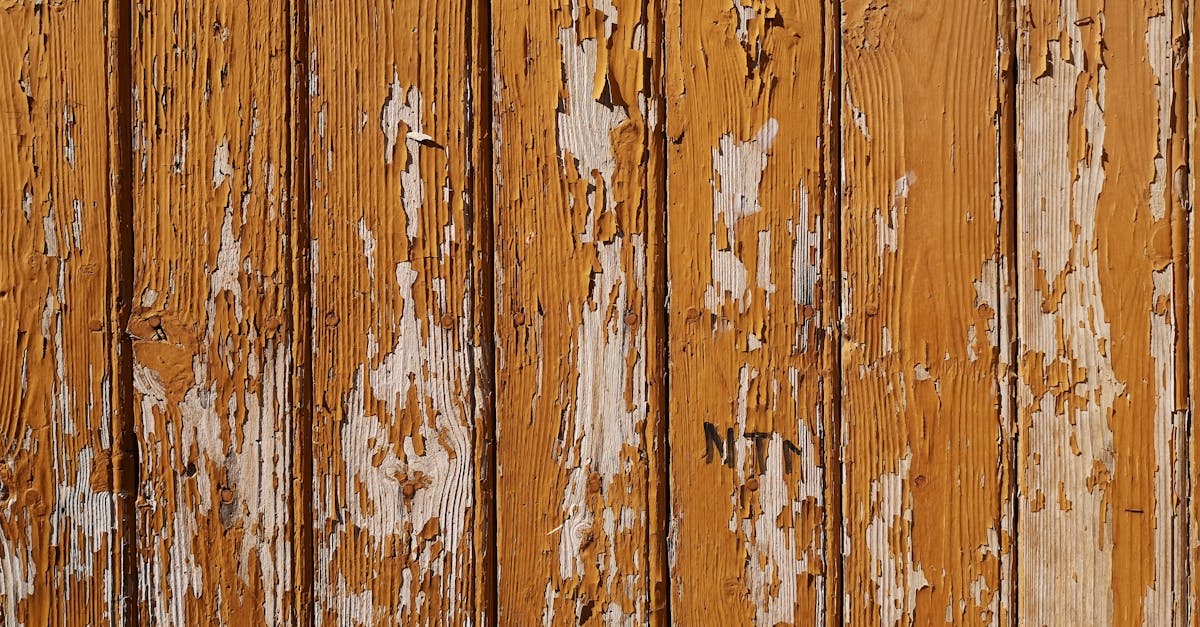
Table Of Contents
Dealing with weather conditions while painting
Painting fence panels can be greatly affected by weather conditions. In Australia, the scorching heat or high humidity levels can pose a challenge when trying to achieve a flawless finish on your fence. It's crucial to plan your painting project during milder weather to avoid issues like paint drying too quickly or not adhering properly to the panels.
If you find yourself needing to paint in hot or humid conditions, consider working during the cooler parts of the day, such as early morning or late afternoon. This can help prevent the paint from drying too fast and forming a poor bond with the surface. Additionally, using paint additives designed to slow down the drying process can be beneficial. Always ensure proper ventilation when painting in humid weather to aid in the drying process and prevent moisture build-up under the fresh coat of paint.
Painting in hot or humid weather
When painting fence panels in hot or humid weather, there are some key considerations to keep in mind to ensure a successful outcome. Firstly, it's essential to choose the right type of paint that is suitable for the specific weather conditions. Opt for paints that are designed to withstand high temperatures and humidity levels, as this will help prevent the paint from drying too quickly or not adhering properly to the surface. Additionally, try to paint early in the morning or later in the afternoon when the temperatures are cooler to avoid issues like the paint drying too fast.
Furthermore, make sure to adequately prepare the fence panels before painting in hot or humid conditions. Clean the surface thoroughly to remove any dirt, dust, or mildew that could affect the paint's adhesion. It's also recommended to lightly sand the panels to create a smooth surface for the paint to adhere to. Taking these steps will help ensure that your fence panel painting project withstands the challenges posed by hot and humid weather.
Maintaining your painted fence panels
Maintaining your painted fence panels is essential to ensuring their longevity and appearance. Regular inspection of your fence panels for any signs of wear, such as peeling or chipping paint, is crucial in preventing further damage. If you notice any areas that require touch-ups, make sure to address them promptly to avoid the need for more extensive repairs in the future. Additionally, cleaning your fence panels regularly with a mild detergent and water can help prevent dirt and grime from building up and damaging the paint finish.
Another important aspect of maintaining your painted fence panels is to keep an eye on any developing issues with the wood itself. Check for signs of rot or insect damage, as these can compromise the integrity of the panels and lead to more extensive repairs. Applying a fresh coat of paint every few years can also help protect the wood from the elements and maintain the overall look of your fence. By staying proactive in your Fence panel painting maintenance routine, you can ensure that your fence panels remain in top condition for years to come.
Extending the lifespan of your fence painting
To prolong the life of your fence panel painting, regular maintenance is key. Inspect your fence panels periodically for any signs of wear or damage, such as peeling or chipping paint. Addressing these issues promptly can prevent further deterioration and protect your fence from exposure to the elements. Additionally, applying a fresh coat of paint every few years can help maintain the appearance and integrity of your fence panels, ensuring they stay looking their best for years to come.
In addition to regular maintenance, choosing high-quality paint and primer can significantly extend the lifespan of your fence painting. Opt for products that are specifically designed for outdoor use and provide protection against UV rays, moisture, and other environmental factors. Taking the time to properly prepare the surface before painting, including cleaning and sanding the fence panels, can also contribute to a longer-lasting finish. By investing in the right materials and following proper painting techniques, you can ensure that your fence panels remain vibrant and well-protected against wear and tear.
Troubleshooting common painting issues
Dealing with common painting issues can sometimes be frustrating but understanding how to troubleshoot them can save you time and effort in the long run. When it comes to Fence panel painting, one common issue is peeling or chipping paint. This can occur due to poor adhesion caused by painting over a dirty or moist surface, or using low-quality paint. To fix this problem, start by scraping off any loose paint, sanding the area lightly to smooth it out, and then applying a primer before repainting the affected spots.
Another issue that may arise during Fence panel painting is uneven paint coverage. This can happen if the paint is applied too thinly or too thickly, or if the surface was not properly prepared beforehand. To address this problem, make sure to follow the paint manufacturer's instructions regarding application and drying times. If you notice uneven coverage, you may need to sand down the area and apply an additional coat of paint to achieve a uniform finish.
Fixing peeling or chipping paint
Peeling or chipping paint on your fence panels can not only be unsightly but also leave your fence vulnerable to damage caused by the elements. When encountering this issue, the first step is to address the root cause of the problem. Thoroughly examine the affected area to determine if the peeling or chipping is due to poor adhesion, moisture seepage, or other environmental factors.
Once you've identified the source of the problem, the next course of action is to remedy the situation. Start by removing any loose or flaking paint using a scraper or sandpaper. This step is crucial to create a smooth surface for the new paint to adhere to. Afterward, apply a suitable primer to the exposed areas before repainting the fence panels with a quality exterior paint. By following these steps, you can restore the visual appeal and protective function of your fence panel painting.
FAQS
How do weather conditions affect painting fence panels?
Weather conditions such as rain or extreme heat can impact the paint's drying time and adherence to the panels. It's best to paint on a dry, mild day for optimal results.
Can I paint my fence panels in hot or humid weather?
It's not recommended to paint in hot or humid weather as it can cause the paint to dry too quickly or not adhere properly. Aim to paint when the weather is cooler and more moderate.
How can I maintain my painted fence panels?
Regularly inspect your fence panels for any signs of wear or damage. Touch up any areas that may need repainting to ensure the longevity of your fence's appearance.
What are some tips for extending the lifespan of fence painting?
Proper surface preparation, using high-quality paint, and applying multiple coats can help extend the lifespan of your fence painting. Additionally, regular maintenance and touch-ups are essential.
How can I fix peeling or chipping paint on my fence panels?
To fix peeling or chipping paint, scrape off the loose paint, sand the area, and apply a new coat of paint. Ensure proper surface preparation to prevent future issues with peeling or chipping.
Related Links
Fence panel paintingDo fence panels need to be dry before painting?
Is it better to spray or paint a fence?